

OLA6100 ABS
Servicio de impresión 3D en línea
Obtén cotizaciones en línea instantáneas para piezas en más de 80 materiales metálicos y plásticos. Envío gratuito en todos los pedidos de EE.UU. Certificado ISO 9001:2015, ISO 13485 y AS9100D.Comienza una nueva cotización de impresión 3D
Tipo de archivo: STL, STP, STEP
Privacidad: Todos sus archivos están seguros con nosotros. Lea nuestra política de privacidad.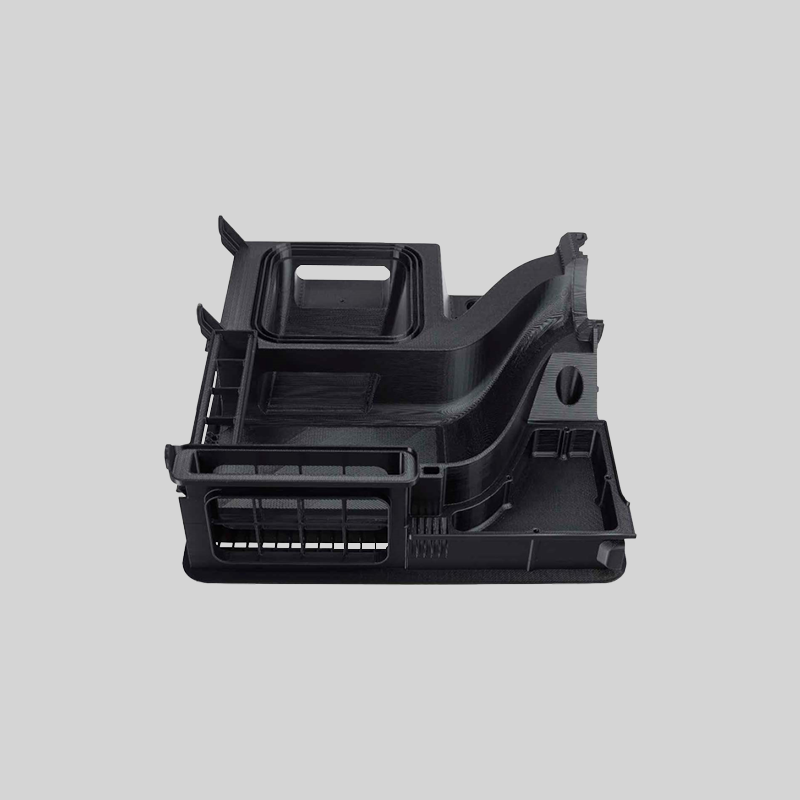
OLA6100 ABS
OLA 6100ABS is a rigid thermoplastic engineering material known for its reliable mechanical strength and dimensional stability. Ideal for functional testing and prototyping, this material enables the production of 3D-printed components that closely resemble final products. It is widely used for general mechanical parts and wear-resistant components and supports post-processing techniques such as chrome plating and painting.
ThermalProperties
HeatDeflectionTemperature:104℃
MechanicalProperties
TensileStrength:32.5–34.1MPa ElongationatBreak:2.3%–3.1% FlexuralStrength:59±1.3MPa ImpactStrength(Notched,Izod):12.6±1.1KJ/m²
Max. Part Size:
300mm × 300mm × 300mm
Tolerance and Precision:
±300μm or ±0.3%
Advantages
① Well-balanced performance (strength/heat/electrical properties)
② High impact strength & chemical resistance
③ Compatible with chrome plating & painting
④ Ideal for functional testing & realistic prototyping
Limitations
① Processing limitations (non-liability notice):
Fragile structures <Ø2mm may fail
Low-angle surfaces (<45°) may show defects (imported materials recommended)
Large flat surfaces (>150mm) may warp (imported materials recommended)
Supported surfaces may exhibit roughness (imported materials recommended)
Complex internals may retain supports (water-soluble materials recommended)
Note: These are inherent FDM process limitations - premium imported materials available for critical applications
① Well-balanced performance (strength/heat/electrical properties)
② High impact strength & chemical resistance
③ Compatible with chrome plating & painting
④ Ideal for functional testing & realistic prototyping
Limitations
① Processing limitations (non-liability notice):
Fragile structures <Ø2mm may fail
Low-angle surfaces (<45°) may show defects (imported materials recommended)
Large flat surfaces (>150mm) may warp (imported materials recommended)
Supported surfaces may exhibit roughness (imported materials recommended)
Complex internals may retain supports (water-soluble materials recommended)
Note: These are inherent FDM process limitations - premium imported materials available for critical applications
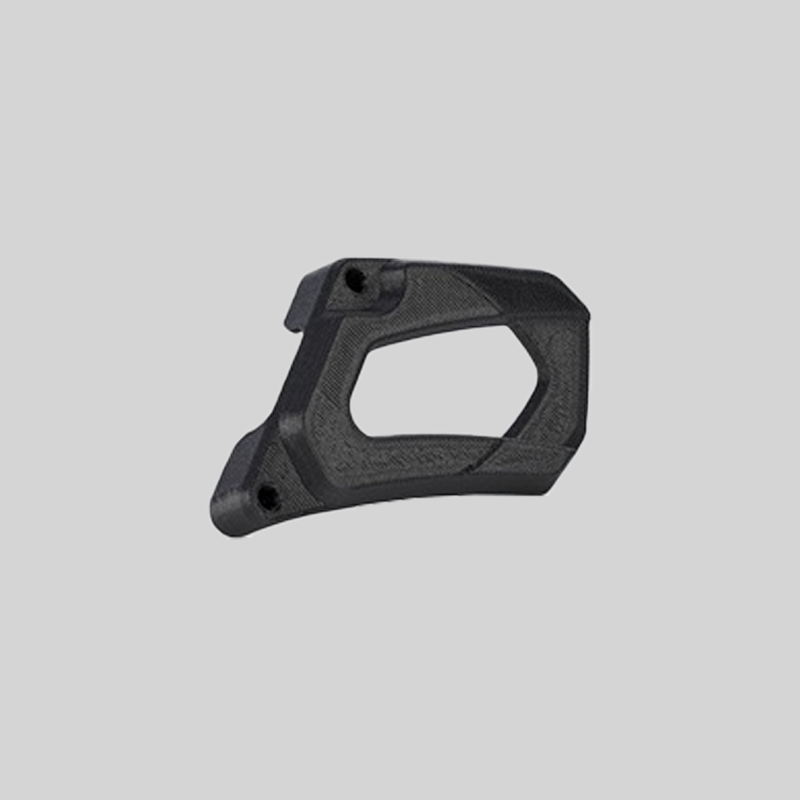
OLA 6000PLA is an environmentally friendly, biodegradable thermoplastic derived from renewable resources. It offers a wide range of colors and surface finishes. The material exhibits excellent dimensional stability and is easy to print, making it ideal for complex shapes and prototypes. However, it is more brittle compared to other plastics.
ThermalProperties
HeatDeflectionTemperature:53℃
MechanicalProperties
TensileStrength:60MPa ElongationatBreak:18.3% FlexuralModulus:2266MPa ImpactStrength:6KJ/m²
Max. Part Size:
256mm × 256mm × 256mm
Tolerance and Precision:
±300μm or ±0.3%
Advantages:
① Excellent printability with high dimensional accuracy
② Superior dimensional stability
③ Cost-effective and eco-friendly solution
Disantages:
① Lower impact resistance compared to other engineering plastics
② Process limitations (non-liability notice):
Fragile structures <Ø2mm may fail
Low-angle surfaces (<45°) may show defects (imported material recommended)
Large flat surfaces (>150mm) prone to warping (imported material recommended)
Supported surfaces may exhibit roughness
Complex internal channels may retain supports (water-soluble material recommended)
Note: These limitations are inherent to standard FDM processing - premium imported materials available for critical applications
① Excellent printability with high dimensional accuracy
② Superior dimensional stability
③ Cost-effective and eco-friendly solution
Disantages:
① Lower impact resistance compared to other engineering plastics
② Process limitations (non-liability notice):
Fragile structures <Ø2mm may fail
Low-angle surfaces (<45°) may show defects (imported material recommended)
Large flat surfaces (>150mm) prone to warping (imported material recommended)
Supported surfaces may exhibit roughness
Complex internal channels may retain supports (water-soluble material recommended)
Note: These limitations are inherent to standard FDM processing - premium imported materials available for critical applications
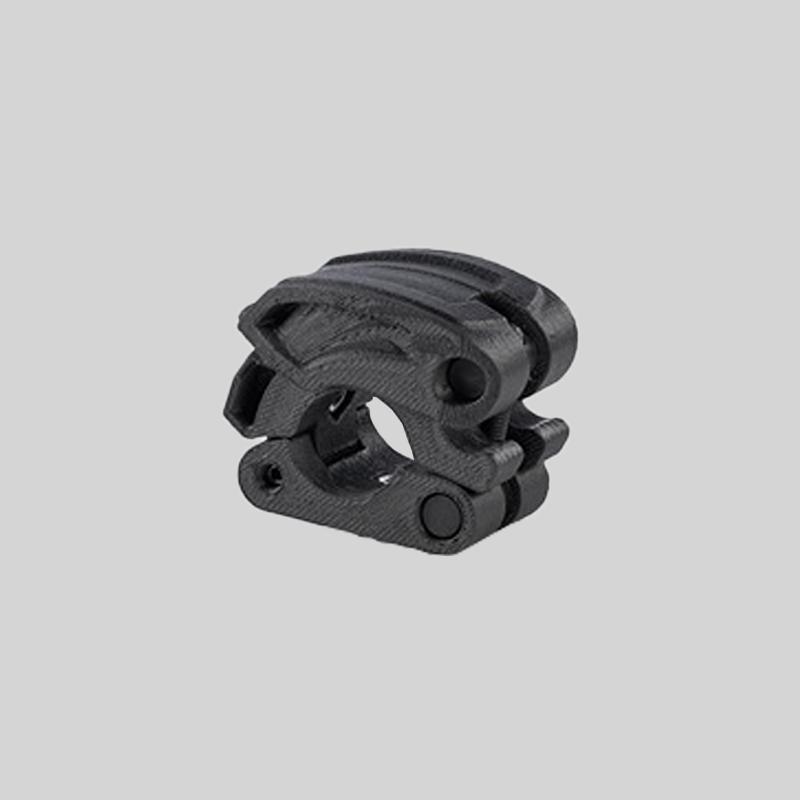
OLA Reinforced Nylon Carbon Fiber is a high-performance 3D printing filament featuring a dual-layer coating structure. The outer shell is made of pure nylon resin with high interlayer adhesion, while the core contains short-cut carbon fiber-reinforced high-temperature nylon. This results in a material with outstanding strength, heat resistance, and superior Z-axis performance compared to conventional carbon fiber nylon.
ThermalProperties
HeatDeflectionTemperature:187.5℃
MechanicalProperties
TensileModulus(X-Y):8789.10±458.32MPa TensileModulus(Z):4213.96±87.46MPa TensileStrength(X-Y):103.25±2.96MPa TensileStrength(Z):51.51±2.01MPa ElongationatBreak(X-Y):1.49±0.09% ElongationatBreak(Z):1.55±0.12% FlexuralModulus:8568.60±172.79MPa FlexuralStrength:170.09±4.88MPa NotchedImpactStrength:6.57±0.38KJ/m²
Max. Part Size:
300mm × 220mm × 220mm
Tolerance and Precision:
±300μm or ±0.3%
Advantages
① 25% carbon fiber reinforcement
② Excellent mechanical strength (particularly Z-axis performance)
③ Outstanding heat resistance and dimensional stability
Disadvantages
① FDM process limitations (non-liability notice):
Features <Ø2mm may break/incomplete
Angled surfaces <45° may show roughness (imported materials advised)
Flat surfaces >150mm may warp (imported materials advised)
Support-heavy parts may have rough bases
Complex internals may retain supports (water-soluble supports recommended)
Note: Design limitations inherent to FDM process - imported material solutions available
① 25% carbon fiber reinforcement
② Excellent mechanical strength (particularly Z-axis performance)
③ Outstanding heat resistance and dimensional stability
Disadvantages
① FDM process limitations (non-liability notice):
Features <Ø2mm may break/incomplete
Angled surfaces <45° may show roughness (imported materials advised)
Flat surfaces >150mm may warp (imported materials advised)
Support-heavy parts may have rough bases
Complex internals may retain supports (water-soluble supports recommended)
Note: Design limitations inherent to FDM process - imported material solutions available
.jpg)
OLA 6200 ASA (Black) is a rigid thermoplastic engineering material with mechanical properties similar to ABS. It is highly resistant to UV radiation and weathering, maintaining its color and shape even in harsh or prolonged sun exposure. This makes it ideal for printing outdoor-use parts and components.
ThermalProperties
HeatDeflectionTemperature:105.3℃
MechanicalProperties
TensileStrength(X-Y):43–44.6MPa TensileStrength(Z-axis):27.4±1.8MPa ElongationatBreak:6.1%–7.3% FlexuralStrength:73.4±2.1MPa IzodImpactStrength(Notched):10.3±0.4KJ/m²
Max. Part Size:
250mm × 250mm × 250mm
Tolerance and Precision:
±300μm or ±0.3%
Advantages
① Excellent UV resistance
② Strong mechanical properties and toughness
③ Good processability and outdoor durability
Disadvantages
① Parts larger than 200mm may be prone to warping
② Current process limitations:
Thin features under Ø2mm may break or be incomplete
Surfaces with inclination angles <45° may appear rough (imported materials recommended)
Large flat surfaces >150mm may warp (imported materials recommended)
Support-heavy models may show base roughness
Complex internal structures may retain unresolvable support material (water-soluble support recommended)
Note: We do not accept liability for the above design risks
① Excellent UV resistance
② Strong mechanical properties and toughness
③ Good processability and outdoor durability
Disadvantages
① Parts larger than 200mm may be prone to warping
② Current process limitations:
Thin features under Ø2mm may break or be incomplete
Surfaces with inclination angles <45° may appear rough (imported materials recommended)
Large flat surfaces >150mm may warp (imported materials recommended)
Support-heavy models may show base roughness
Complex internal structures may retain unresolvable support material (water-soluble support recommended)
Note: We do not accept liability for the above design risks
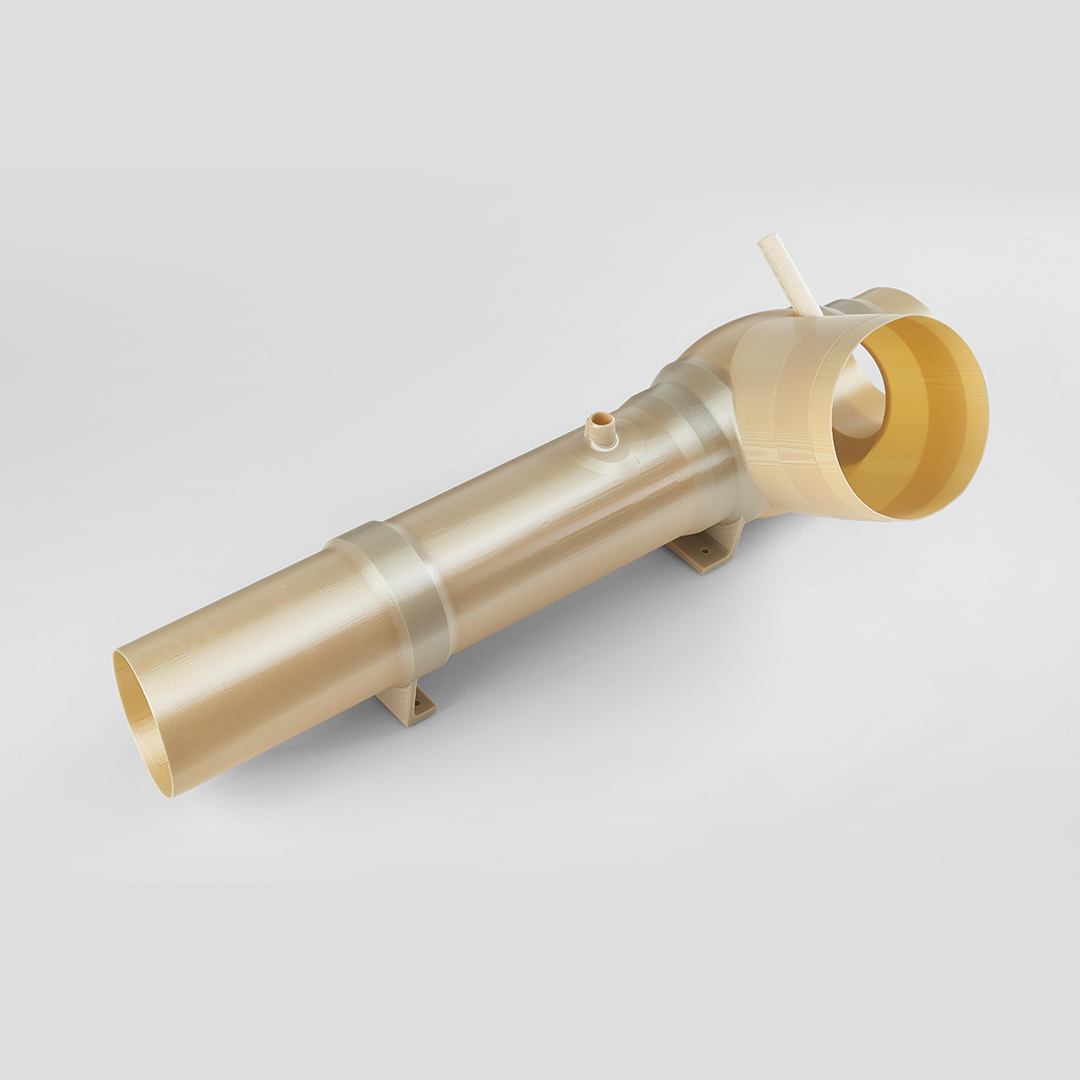
OLA 9085 is an amorphous thermoplastic with an outstanding strength-to-weight ratio and excellent FST (Flame, Smoke, Toxicity) ratings. Due to its existing certifications and superior performance under demanding conditions, it is ideal for aerospace, automotive, and military applications.
ThermalProperties
HeatDeflectionTemperature:153℃
MechanicalProperties
TensileModulus:2150–2270MPa TensileStrength:42–69MPa ElongationatBreak:2.2–5.8% FlexuralStrength:68–112MPa FlexuralModulus:2050–2300MPa
SafetyProperties
FlameRating:V-0
Max. Part Size:
914mm × 610mm × 914mm
Tolerance and Precision:
±200μm or ±0.2%
Advantages
① Excellent mechanical stability at elevated temperatures
② High strength-to-weight ratio
③ Outstanding dimensional stability and flame resistance
④ Certified for aerospace and automotive applications
Disadvantages
① Slight layered texture on part surfaces due to FDM printing
① Excellent mechanical stability at elevated temperatures
② High strength-to-weight ratio
③ Outstanding dimensional stability and flame resistance
④ Certified for aerospace and automotive applications
Disadvantages
① Slight layered texture on part surfaces due to FDM printing
.jpg)
OLA 1010 is one of the few thermoplastic resins approved for commercial aerospace applications. It is an amorphous engineering plastic known for its robustness, flame resistance, and stability under extreme temperatures.
SafetyProperties
FlameRating:V-0
ThermalProperties
HeatDeflectionTemperature:216℃
MechanicalProperties
TensileModulus:2200–2770MPa TensileStrength:48–81MPa ElongationatBreak:2–3.3% FlexuralStrength:77–144MPa FlexuralModulus:2230–2820MPa
Max. Part Size:
914mm × 610mm × 914mm
Tolerance and Precision:
±200μm or ±0.2%
Advantages
① Excellent flame resistance and high thermal tolerance
② Good chemical resistance
③ Strong and durable with stable electrical properties
④ Easy to process
Disadvantages
① Slight surface layer lines may be visible on printed parts
① Excellent flame resistance and high thermal tolerance
② Good chemical resistance
③ Strong and durable with stable electrical properties
④ Easy to process
Disadvantages
① Slight surface layer lines may be visible on printed parts
.jpg)
This engineering thermoplastic is specially formulated for outdoor applications, combining ABS-like performance with superior weather resistance.
ThermalProperties
HeatDeflectionTemperature:91-98℃
MechanicalProperties
ShoreHardness:82 TensileStrength:30-33MPa TensileModulus:1950-2010MPa ElongationatBreak:3-9% FlexuralStrength:48-60MPa FlexuralModulus:1630-1870MPa NotchedImpact:64-321J/m
SafetyProperties
FlammabilityRating:HB
Max. Part Size:
1000mm × 610mm × 610mm
Tolerance and Precision:
±200μm or ±0.2%
Advantages
① Exceptional UV stability for outdoor use
② Excellent mechanical and processing properties
③ Outstanding impact resistance and weather ability
④ Versatile matte surface treatment options
⑤ Soluble supports for complex structures
Disadvantages
① Layer lines inherent to FDM process
② Not suitable for precision parts ≤100mm/≤100g
① Exceptional UV stability for outdoor use
② Excellent mechanical and processing properties
③ Outstanding impact resistance and weather ability
④ Versatile matte surface treatment options
⑤ Soluble supports for complex structures
Disadvantages
① Layer lines inherent to FDM process
② Not suitable for precision parts ≤100mm/≤100g
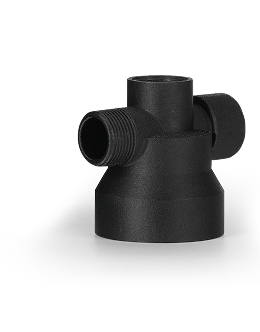
OLA PETG-CF
OLA PETG-CF is a carbon fiber-reinforced PETG 3D printing filament that offers significantly higher strength than standard PETG, while retaining good toughness and a glossy surface finish. It is widely used for printing drones, racing models, and various functional parts requiring enhanced appearance and performance.
ThermalProperties
HeatDeflectionTemperature(ISO75,0.45MPa,1.80MPa):74℃;68℃
MechanicalProperties
Young'sModulus(X-Y,Z)(ISO527,GB/T1040):2460±230MPa;1340±150MPa TensileStrength(X-Y,Z)(ISO527,GB/T1040):35±5MPa;29±4MPa ElongationatBreak(X-Y,Z)(ISO527,GB/T1040):10.4±0.6%;4.7±0.4% FlexuralModulus(X-Y,Z)(ISO178,GB/T9341):2910±260MPa;1560±180MPa FlexuralStrength(X-Y,Z)(ISO178,GB/T9341):70±5MPa;48±4MPa CharpyImpactStrength(X-Y)(ISO179,GB/T1043):41.2±2.6kJ/m²,15.7±1.6kJ/m²(notched) CharpyImpactStrength(Z)(ISO179,GB/T1043):10.7±1.6kJ/m²
Max. Part Size:
320mm × 320mm × 325mm
Tolerance and Precision:
±300μm or ±0.3%
Advantages
① High toughness, impact resistance, and flexural resistance
② Carbon fiber texture with a matte finish
Disadvantages
① Process limitations—please order with caution for:
1- Surfaces with angles <45° (especially curves): rough finish, possible slight deformation
2- Parts with extensive supports: rough bottom support surfaces
3- Support-removed areas may lack smoothness
4- Default infill 15%; different densities affect pricing
① High toughness, impact resistance, and flexural resistance
② Carbon fiber texture with a matte finish
Disadvantages
① Process limitations—please order with caution for:
1- Surfaces with angles <45° (especially curves): rough finish, possible slight deformation
2- Parts with extensive supports: rough bottom support surfaces
3- Support-removed areas may lack smoothness
4- Default infill 15%; different densities affect pricing
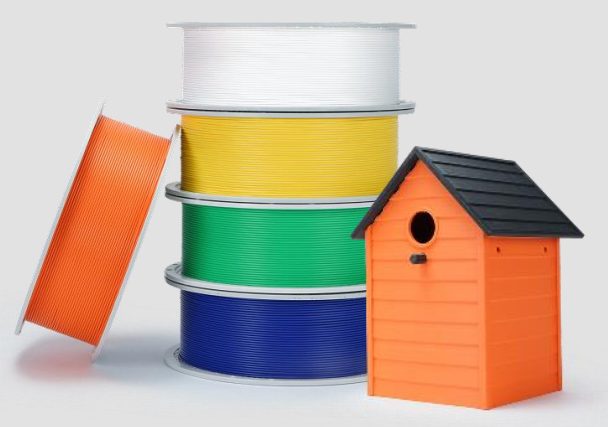
OLA 6310 PETG is a 3D printing filament with fine surface texture and exceptionally smooth printing performance.
ThermalProperties
HeatDeflectionTemperature(ISO75,0.45MPa,1.80MPa):69℃;62℃ MeltingTemperature(DSC,10℃/min):N/A GlassTransitionTemperature(ISO11357):N/A FlameRating:UL94HB
MechanicalProperties
Young'sModulus(X-Y,Z)(ISO527,GB/T1040):1810±190MPa;1540±130MPa TensileStrength(X-Y,Z)(ISO527,GB/T1040):34±4MPa;23±4MPa ElongationatBreak(X-Y,Z)(ISO527,GB/T1040):8.6±1.2%;5.1±0.8% FlexuralModulus(X-Y,Z)(ISO178,GB/T9341):2050±120MPa;1810±140MPa FlexuralStrength(X-Y,Z)(ISO178,GB/T9341):64±3MPa;48±4MPa CharpyImpactStrength(X-Y)(ISO179,GB/T1043):31.5±2.2kJ/m²,6.2±1.8kJ/m²(notched) CharpyImpactStrength(Z)(ISO179,GB/T1043):10.6±1.2kJ/m²
Max. Part Size:
320mm × 320mm × 325mm
Tolerance and Precision:
±300μm or ±0.3%
Advantages
① Fine surface texture and exceptionally smooth printing performance
Disadvantages
① Process limitations—please order with caution for:
1- Surfaces with angles <45° (especially curves): rough finish, possible slight deformation
2- Parts with extensive supports: rough bottom support surfaces
3- Support-removed areas may lack smoothness
4- Default infill 15%; different densities affect pricing
① Fine surface texture and exceptionally smooth printing performance
Disadvantages
① Process limitations—please order with caution for:
1- Surfaces with angles <45° (especially curves): rough finish, possible slight deformation
2- Parts with extensive supports: rough bottom support surfaces
3- Support-removed areas may lack smoothness
4- Default infill 15%; different densities affect pricing
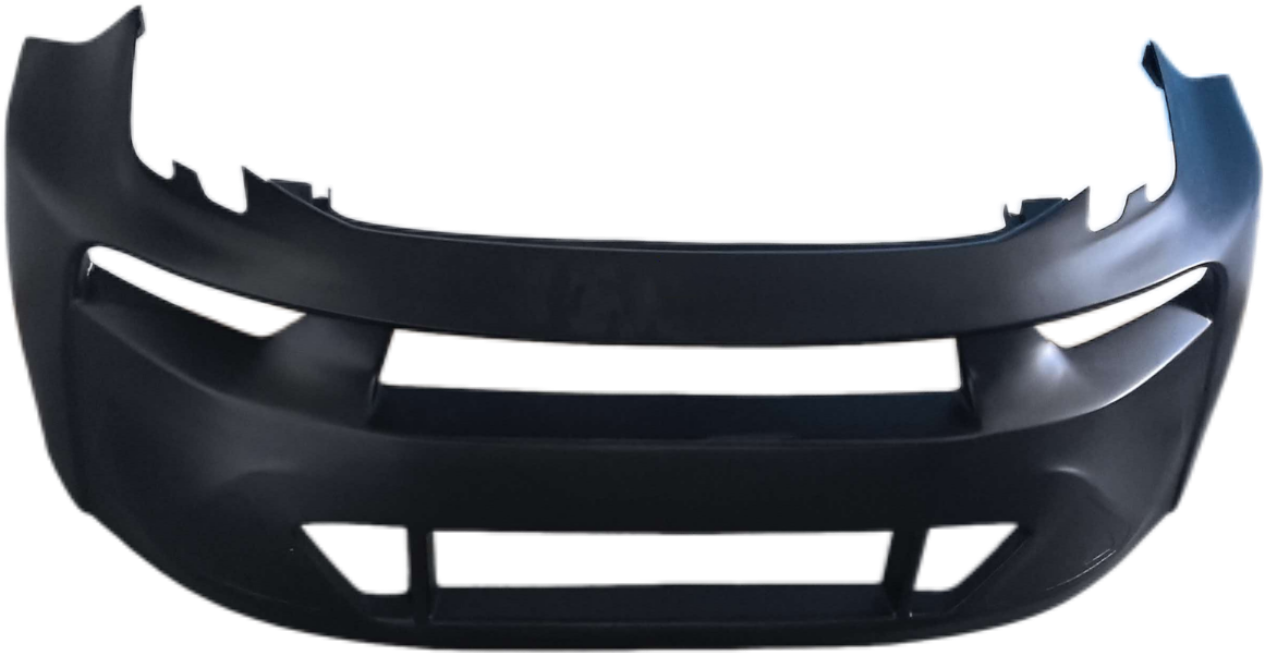
OLA 6320 PET-CF offers excellent dimensional stability, high rigidity, low creep, low warpage, abrasion resistance, UV resistance, with long-term color stability and scratch resistance.
ThermalProperties
HeatDeflectionTemperature(ISO75,0.45MPa,1.80MPa):147.5℃;105℃ MeltingTemperature(DSC,10℃/min):241.3℃ GlassTransitionTemperature(ISO11357):79.3℃ FlameRating:UL94HB
MechanicalProperties
Young'sModulus(X-Y,Z)(ISO527,GB/T1040):5481.0±223.7MPa;3558.8±260.4MPa TensileStrength(X-Y,Z)(ISO527,GB/T1040):65.9±1.0MPa;27.9±1.3MPa ElongationatBreak(X-Y,Z)(ISO527,GB/T1040):2.4±0.5%;0.8±0.1% FlexuralModulus(X-Y,Z)(ISO178,GB/T9341):4744.4±136.3MPa;2768.2±422.6MPa FlexuralStrength(X-Y,Z)(ISO178,GB/T9341):109.3±2.0MPa;43.4±8.8MPa CharpyImpactStrength(X-Y)(ISO179,GB/T1040):25.1±2.8kJ/m² CharpyImpactStrength(Z)(ISO179,GB/T1040):3.1±0.7kJ/m²
Max. Part Size:
1200mm × 600mm × 600mm
Tolerance and Precision:
±100μm or ±0.1%
Advantages
① Excellent dimensional stability, high rigidity, low creep, low warpage
② Abrasion and UV resistance, long-term color stability, scratch resistance
Disadvantages
① (No specific disadvantage provided for this material)
① Excellent dimensional stability, high rigidity, low creep, low warpage
② Abrasion and UV resistance, long-term color stability, scratch resistance
Disadvantages
① (No specific disadvantage provided for this material)
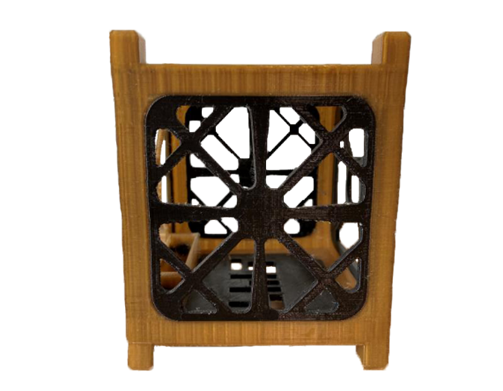
OLA 6500 PEEK features outstanding toughness, biocompatibility, X-ray transparency, chemical resistance, and self-lubricating properties.
ThermalProperties
HeatDeflectionTemperature(ISO75,0.45MPa,1.80MPa):N/A MeltingTemperature(DSC,10℃/min):343℃ GlassTransitionTemperature(ISO11357):143℃
MechanicalProperties
Young'sModulus(X-Y,Z)(ISO527,GB/T1040):3042MPa;2763MPa TensileStrength(X-Y,Z)(ISO527,GB/T1040):73MPa;25.6MPa ElongationatBreak(X-Y,Z)(ISO527,GB/T1040):3.7%;1.3% Hardness(ASTMD2240):85ShoreD
Max. Part Size:
610mm × 508mm × 508mm
Tolerance and Precision:
±200μm or ±0.2%
Advantages
① Outstanding toughness and biocompatibility
② X-ray transparent, chemically resistant, and self-lubricating
Disadvantages
① Relatively low rigidity, moderate creep resistance, high cost
① Outstanding toughness and biocompatibility
② X-ray transparent, chemically resistant, and self-lubricating
Disadvantages
① Relatively low rigidity, moderate creep resistance, high cost
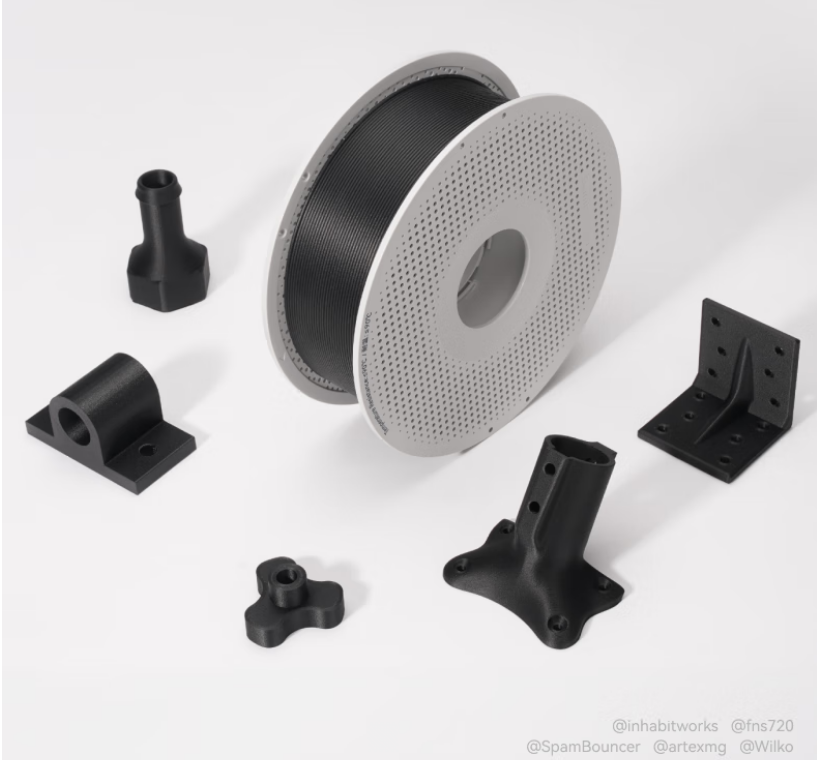
OLA 6610 PA6-CF delivers high toughness, impact resistance, shock absorption, and high-temperature resistance.
ThermalProperties
HeatDeflectionTemperature(ISO75,0.45MPa,1.80MPa):186℃;164℃
MechanicalProperties
Young'sModulus(X-Y,Z)(ISO527,GB/T1040):4430±310MPa;2170±230MPa TensileStrength(X-Y,Z)(ISO527,GB/T1040):102±7MPa;48±6MPa ElongationatBreak(X-Y,Z)(ISO527,GB/T1040):6.2±0.3%;3.3±0.3% FlexuralModulus(X-Y,Z)(ISO178,GB/T9341):5460±280MPa;2240±220MPa FlexuralStrength(X-Y,Z)(ISO178,GB/T9341):151±8MPa;80±7MPa CharpyImpactStrength(X-Y)(ISO179,GB/T1043):40.3±2.5kJ/m²,13.4±1.7kJ/m²(notched) CharpyImpactStrength(Z)(ISO179,GB/T1043):15.5±1.7kJ/m²
Max. Part Size:
320mm × 320mm × 325mm
Tolerance and Precision:
±200μm or ±0.2%
Advantages
① High toughness, impact resistance, shock absorption, and high-temperature resistance
Disadvantages
① Long-term exposure to humid environments may reduce strength and stiffness
② High-infill or large-size prints prone to warping
③ Process limitations—please order with caution for:
1- Surfaces with angles <45° (especially curves): rough finish, possible slight deformation
2- Parts with extensive supports: rough bottom support surfaces
3- Support-removed areas may lack smoothness
4- Default infill 15%; different densities affect pricing
① High toughness, impact resistance, shock absorption, and high-temperature resistance
Disadvantages
① Long-term exposure to humid environments may reduce strength and stiffness
② High-infill or large-size prints prone to warping
③ Process limitations—please order with caution for:
1- Surfaces with angles <45° (especially curves): rough finish, possible slight deformation
2- Parts with extensive supports: rough bottom support surfaces
3- Support-removed areas may lack smoothness
4- Default infill 15%; different densities affect pricing
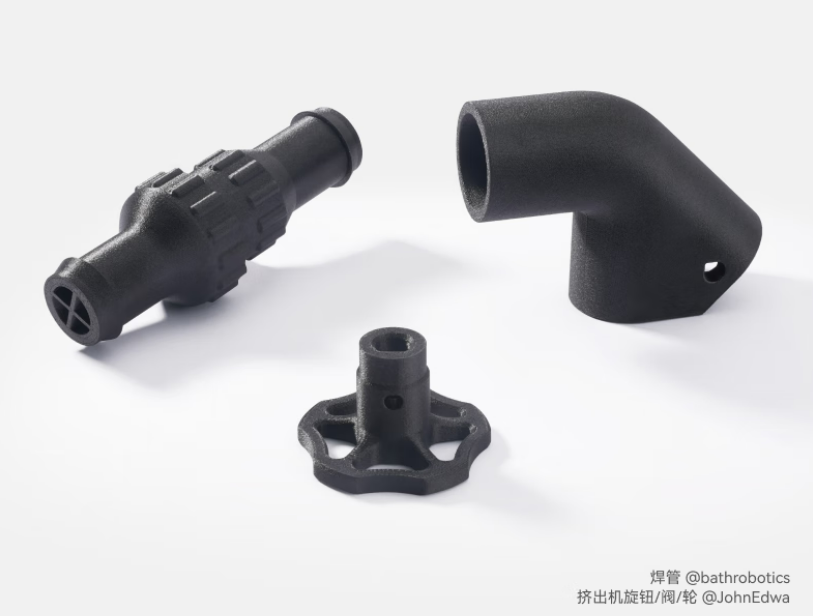
OLA 6810 PPS-CF provides ultra-high temperature resistance, top flame retardancy, ultra-high mechanical performance, solvent and chemical resistance, and ultra-low moisture absorption.
ThermalProperties
HeatDeflectionTemperature(ISO75,0.45MPa,1.80MPa):264℃;235℃
MechanicalProperties
Young'sModulus(X-Y,Z)(ISO527,GB/T1040):8230±270MPa;2850±160MPa TensileStrength(X-Y,Z)(ISO527,GB/T1040):87±5MPa;24±3MPa ElongationatBreak(X-Y,Z)(ISO527,GB/T1040):1.2±0.4%;0.7±0.3% FlexuralModulus(X-Y,Z)(ISO178,GB/T9341):7160±280MPa;2460±190MPa FlexuralStrength(X-Y,Z)(ISO178,GB/T9341):142±5MPa;36±4MPa CharpyImpactStrength(X-Y)(ISO179,GB/T1043):27.8±2.3kJ/m²,6.2±1.6kJ/m²(notched) CharpyImpactStrength(Z)(ISO179,GB/T1043):2.8±0.4kJ/m²
Max. Part Size:
320mm × 320mm × 325mm
Tolerance and Precision:
±200μm or ±0.2%
Advantages
① Ultra-high temperature resistance, top-tier flame retardancy, ultra-high mechanical performance
② Solvent and chemical resistance, ultra-low moisture absorption
Disadvantages
① Process limitations—please order with caution for:
1- Surfaces with angles <45° (especially curves): rough finish, possible slight deformation
2- Parts with extensive supports: rough bottom support surfaces
3- Support-removed areas may lack smoothness
4- Default infill 15%; different densities affect pricing
① Ultra-high temperature resistance, top-tier flame retardancy, ultra-high mechanical performance
② Solvent and chemical resistance, ultra-low moisture absorption
Disadvantages
① Process limitations—please order with caution for:
1- Surfaces with angles <45° (especially curves): rough finish, possible slight deformation
2- Parts with extensive supports: rough bottom support surfaces
3- Support-removed areas may lack smoothness
4- Default infill 15%; different densities affect pricing
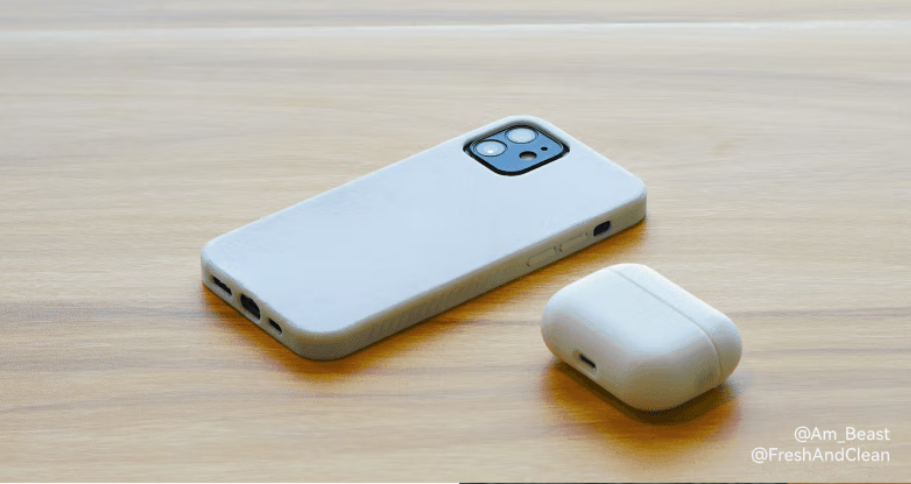
OLA 6910TPU-95A-HF
OLA 6910 TPU-95A-HF is a soft yet tough filament with superior impact resistance, ideal for parts subject to impact, drop, or collision.
ThermalProperties
HeatDeflectionTemperature(ISO75,0.45MPa,1.80MPa):N/A MeltingTemperature(DSC,10℃/min):183℃
MechanicalProperties
Young'sModulus(X-Y,Z)(ISO527,GB/T1040):9.8±0.7MPa;7.4±0.6MPa TensileStrength(X-Y,Z)(ISO527,GB/T1040):27.3±0.8MPa;22.3±0.6MPa ElongationatBreak(X-Y,Z)(ISO527,GB/T1040):>650%;>480% CharpyImpactStrength(X-Y)(ISO179,GB/T1043):123.2kJ/m² CharpyImpactStrength(Z)(ISO179,GB/T1043):86.3kJ/m²
Max. Part Size:
320mm x 320mm x 325mm
Tolerance and Precision:
±300μm or ±0.3%
Advantages
① Soft yet tough filament with superior impact resistance
Disadvantages
① (No specific disadvantage provided for this material)
① Soft yet tough filament with superior impact resistance
Disadvantages
① (No specific disadvantage provided for this material)
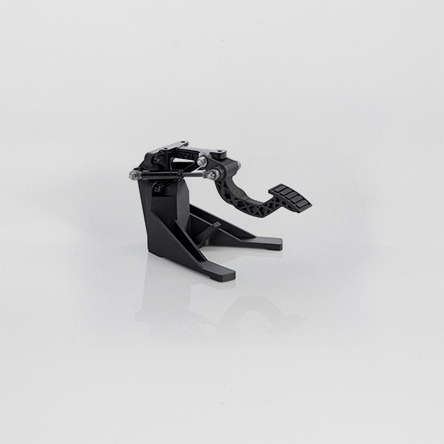
OLA NylonCF
OLA NylonCF is a new composite material made of nylon reinforced with carbon fiber particles.
ThermalProperties
HeatDeflectionTemperature:143℃
MechanicalProperties
TensileModulus:2300-7515MPa TensileStrength:34.4-75.6MPa ElongationatBreak:1.2-1.9% FlexuralStrength:58.1-142MPa FlexuralModulus:1830-10620MPa NotchedImpactStrength:21.4-85
Max. Part Size:
914mm x 610mm x 914mm
Tolerance and Precision:
±200μm or ±0.2%
Advantages
① Retains nylon's inherent chemical resistance, corrosion resistance, and good processability
② Significantly improved mechanical properties and heat resistance
Disadvantages
① (No specific disadvantage provided for this material)
① Retains nylon's inherent chemical resistance, corrosion resistance, and good processability
② Significantly improved mechanical properties and heat resistance
Disadvantages
① (No specific disadvantage provided for this material)